Hay Fever and a Blocked Nose at Night: What Helps Kids Sleep
A blocked nose that keeps a child awake in pollen season is usually hay fever if it comes back at the same time each year, the mucus is thin and clear, the eyes itch, and there is no fever. It is less likely in a baby: KidsHealth says seasonal allergies “usually do not develop before a child is 2 years old.” What helps at night is keeping pollen out of the bedroom, which means windows shut, a bath and clean clothes before bed, and the carrier left outside the room. Saline spray clears the nose without medicine. Allergy medicines are a question for your pediatrician.
Hay fever or a cold? Five tells
The AAP’s allergic rhinitis page lists the differences:
| Hay fever | A cold | |
|---|---|---|
| Onset | ”The moment your child encounters an allergy trigger” | Gradually, over several days |
| Mucus | Thin and clear | Often thick and cloudy, even yellowish-green |
| Fever and aches | None | Common |
| Eyes | Itchy, red and watery | Rarely involved |
| How long | Weeks or months | Usually 3 to 10 days |
A child under two with a stuffy nose most likely has a cold. The NHS colds page says children have 5 to 8 a year on average, and most clear within 2 weeks.
The season depends on the plant. In the US, the American College of Allergy, Asthma and Immunology says ragweed blooms “from August into November” and usually peaks in mid-September, which is why a child can start sniffing in autumn. Nemours KidsHealth gives mid-Atlantic weed pollen as July through October, with tree pollen from February and grass from May. The NHS puts the UK season at late March to September.
Why the nose wrecks the night
The AAP spells out the chain. Nasal swelling leads to “difficulty sleeping (because it’s hard to breathe through your nose)”, then drowsiness and low energy, then trouble thinking clearly. A child who cannot breathe through the nose breathes through the mouth, and allergy symptoms, KidsHealth says, “last for as long as a person is exposed to the allergen.” Pollen that comes to bed on hair, skin or clothes is still exposure.
The carrier collects pollen
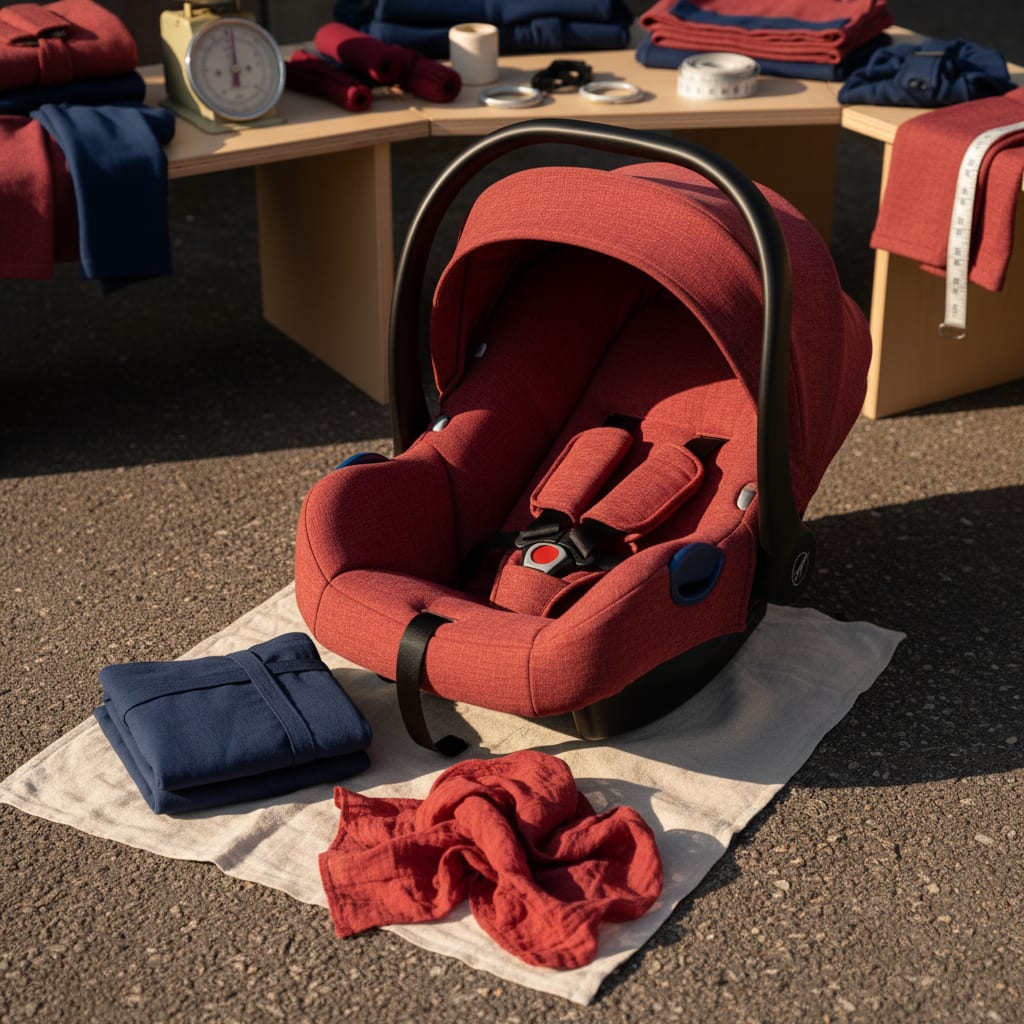
A carrier spends the walk pressed against you and your child, in open air. ACAAI warns that pollen “can be tracked into your home via your clothes, your hair or your pet.” A carrier panel, a wrap’s tails and a toddler’s hair against your back are all surfaces that carry it.
- Time the walk to the pollen. ACAAI says that in late summer and early fall, ragweed pollen levels are “highest in the morning”, while in spring and summer tree and grass pollen peak in the evening. In ragweed season, an afternoon or evening carrier walk avoids the morning peak.
- Leave the carrier at the door. Unbuckle it in the hallway and hang it there. The bedroom is the room you are trying to keep clean.
- Wash it, then dry it indoors. The NHS hay fever page says “do not dry clothes outside – they can catch pollen.” Our carrier washing guide says to air dry in the shade. In pollen season, that shade should be indoors.
- Sunglasses and a brim, outdoors, as the NHS and the AAP suggest. On a back carry the hat comes off at the door, and nothing ever goes over the face.
Carrying a stuffy child
Carrying a congested child upright while they are awake is a fine use of a carrier. The airway rules do not relax because the nose is blocked. A child breathing through the mouth needs that mouth clear.
Ireland’s HSE carrier safety page puts babies “who are unwell” on its list of babies with poor neck control or muscle tone, who “may have a higher risk of suffocation in a baby carrier or sling.” It also says sleeping in a carrier “could block your child’s nose and mouth.” So:
- Keep the face visible and the chin off the chest, with a finger’s width under the chin, the TICKS points in babywearing safety.
- Make sure the mouth is not pressed into your chest or the panel.
- If they fall asleep, move them. The AAP’s safe sleep guide says a baby who falls asleep in a carrier or sling should be moved “to a firm sleep surface on their back as soon as possible.”
The bedroom routine for pollen season
Between them, ACAAI, the AAP, KidsHealth and the NHS give this list:
- Windows shut, at home and in the car. The AAP says to keep them closed during peak pollen seasons.
- A bath and clean clothes before bed. ACAAI says “shower before going to bed.” KidsHealth says kids should “wash their hands or shower and change clothes after playing outside.”
- Air conditioning and filtering. The AAP’s list includes “air conditioning and filtering systems to control allergens inside your home and car.” For a bedroom, that can be a plain HEPA unit such as the Levoit Core 300.
- Vacuum and damp-dust. The NHS suggests a HEPA filter in the vacuum cleaner and a damp cloth for dusting.
- Saline for the nose. The AAP calls saline sprays “safe, drug-free treatments” that cleanse the nasal passages and reduce swelling, and says to ask your pediatrician which kind to use. For colds, the NHS says saline drops “can help loosen dried snot and relieve a stuffy nose.”
The dry aside: the pollen does not care how clean the floor is if it arrived on the child.
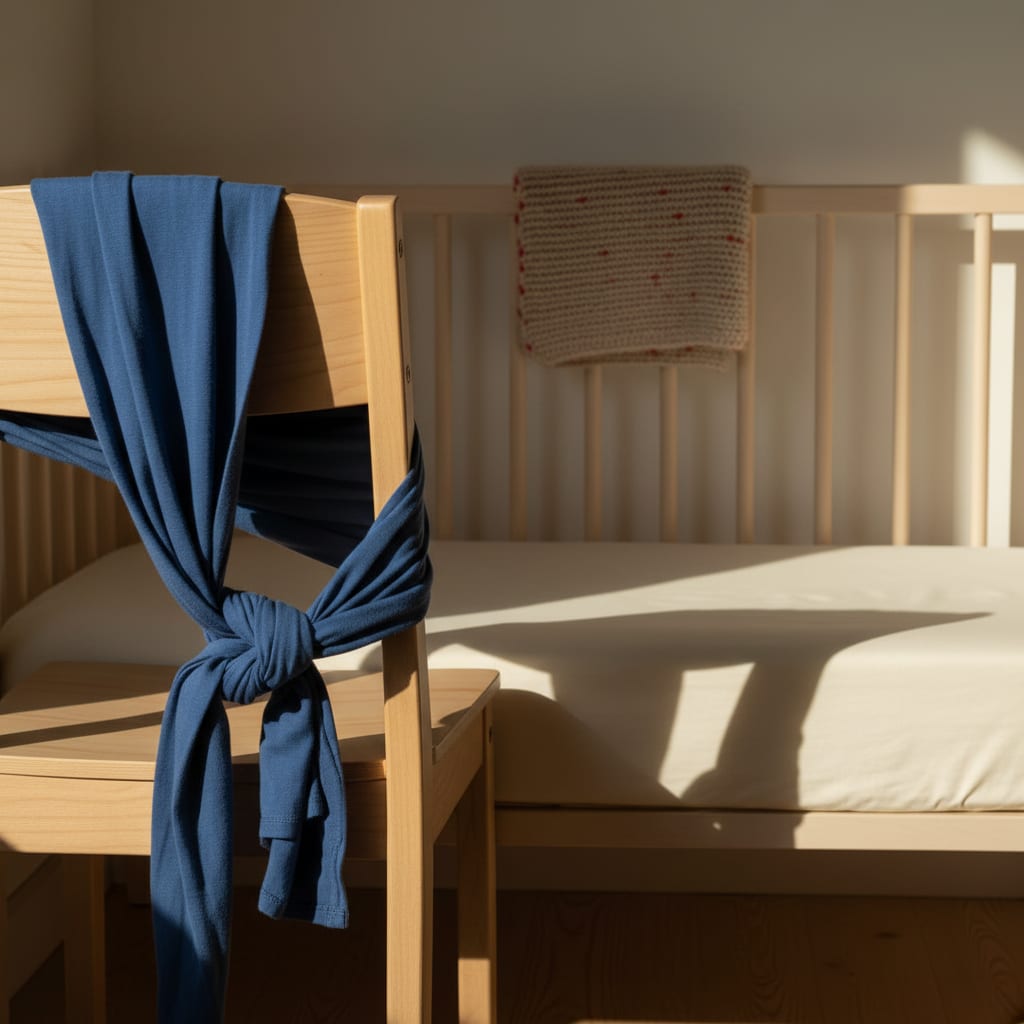
For babies: the crib stays flat
Raising the head of the crib is advice you will hear often for a congested baby, and it is unsafe. The AAP’s safe sleep guide says “any surface that inclines more than 10 degrees isn’t safe for your baby to sleep on,” and it lists no exception for a stuffy nose. Betteroo has a clear explainer on why a congested baby still sleeps flat on its back, including why towels under the mattress, wedges and positioners are out, and what helps instead. Its advice matches the AAP.
Medicines: a pediatrician question
The AAP names three groups of medicine for seasonal allergies: antihistamines, steroid nasal sprays and decongestants. It says to ask your pediatrician about children’s formulas. Some steroid sprays are approved from age 2. Decongestants can cause rebound congestion. The NHS says children under 6 “should not have over-the-counter cough and cold remedies, including decongestants, unless advised to by a GP or pharmacist.” Ask your pediatrician or pharmacist which medicine, if any, suits your child’s age.
When to call the doctor
- Book an appointment if you think your child has seasonal allergies. KidsHealth says the doctor will ask whether the same symptoms come back each year, and may refer you to an allergist for testing. The NHS says to see a doctor if symptoms are getting worse or do not improve after pharmacy treatment.
- Call sooner for coughing, wheezing or shortness of breath. KidsHealth says these alongside nasal symptoms “might have allergies that trigger asthma.” A fever also needs a call, because the AAP says hay fever does not cause one, so something else is going on.
- Get emergency help (911 in the US) if a young child has difficulty breathing. The NHS urgent help page names grunting, sucking in the tummy, fast breathing, and blue, grey or blotchy skin or lips.
FAQ: hay fever and blocked noses at night
Can a baby have hay fever? It is uncommon. KidsHealth says seasonal allergies usually do not develop before age 2. A baby with a blocked nose most likely has a cold. Ask your pediatrician if it keeps coming back.
Should I prop up my baby’s crib mattress? No. The AAP says an incline over 10 degrees is unsafe for infant sleep. Keep the crib flat and treat the nose with saline instead.
Can I still wear my toddler outdoors in ragweed season? Yes. ACAAI says ragweed levels peak in the morning, so walk later in the day. Leave the carrier outside the bedroom, and give your child a bath and clean clothes before bed.