
- 1 The waistband, and where it sits
- 2 Load your baby on your own
- 3 The buckle behind your back
- 4 Tighten in order
- 5 TICKS before the first step
The library · one shelf
Fit& Technique
The fit clinic: step-by-step carries, positioning by age, and fixes for shoulder pain, slumping, leaning, and loose wraps.
12 guides · newest firstStep by step
Guides whose own headings are numbered. The steps shown are those headings.

- 1 Fit faults, in the order to check them
- 2 Timing
- 3 Start moving straight away
- 4 Consider their age and view
- 5 Try a different type

- 1 Thread the rings
- 2 Put it on
- 3 Seat your baby
- 4 Tighten rail by rail
- 5 Run TICKS
- 6 Take your baby out

- 1 Put the waistband back to work
- 2 Raise the baby
- 3 Check the strap path, not just the tension
- 4 Tension the panel evenly
- 5 If it’s a one-shoulder carrier, respect the format
- 6 Match the carrier to your build — the last resort, honestly reached
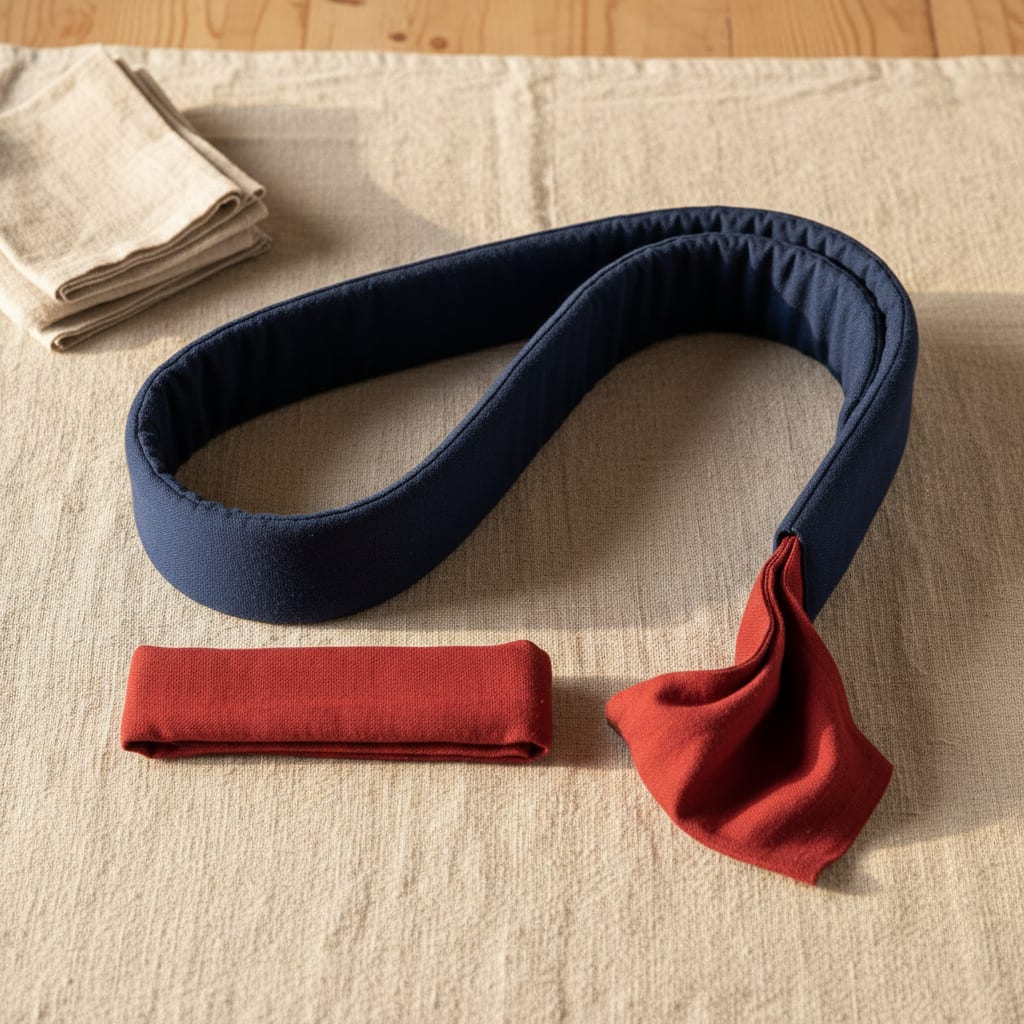
Plus-Size and Petite Baby Carrier Fit: Real Fixes
Carriers that do not fit usually fail on three measurable things: waistband length, strap length and panel rise. Extenders, wrap sizing and petite adjustments.

The Carrier-to-Crib Transfer: A Step-by-Step Method
How to move a sleeping baby from a carrier to the crib without waking them: read the sleep state, loosen in stages, bottom first, head last, hand for thirty.

Ring Sling Too Loose or Digging In? Adjustment Guide
A ring sling that sags, slips or saws into one shoulder is almost always a threading or tightening fault. Here is how to diagnose and fix each, rail by rail.

Baby Slumping in the Carrier: Why and How to Fix It
Baby slumping in the carrier is almost always a fit problem: loose fabric, a mis-set seat, or a carry worn too low. Here's how to diagnose and fix each cause.

Back Carry Guide: When and How to Start Safely
When can you back carry a baby, and how do you get them up there? Readiness signs, carrier-by-carrier minimums, the hip-scoot method and the checks that follow.

How to Tie a Stretchy Wrap: PWCC Step by Step
How to tie a stretchy baby wrap using the Pocket Wrap Cross Carry: pre-tying, tension, getting baby in, and fixing a wrap that sags, digs or rides too low.
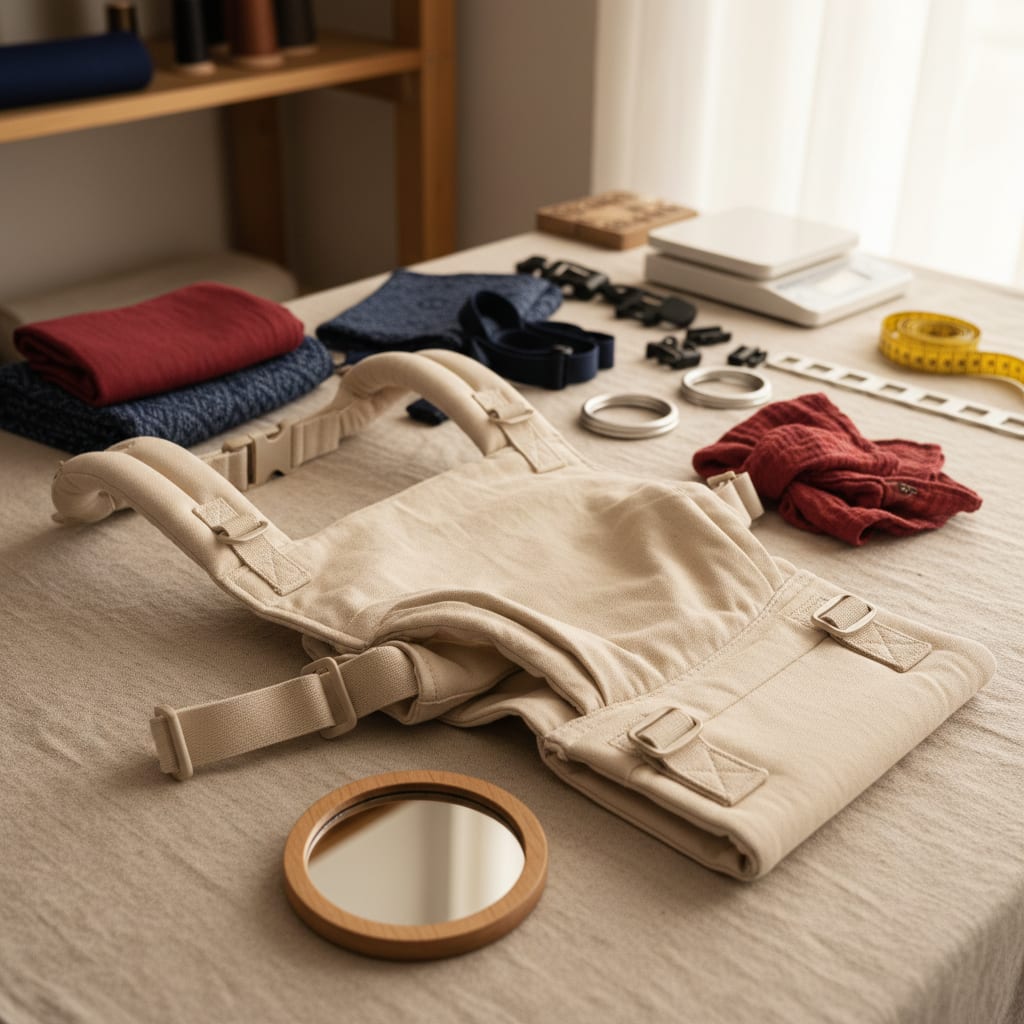
When Can Baby Face Forward in a Carrier? The Rules
When can baby face forward in a carrier? Not a birthday — a readiness check: solid head control, a carrier with a true facing-out mode, and short sessions.

Baby Carrier Positions by Age: Newborn to Toddler
Baby carrier positions by age, mapped to readiness signs instead of birthdays: newborn tummy-to-tummy, facing out, hip carries and back carries — with checks.