Baby Won't Nap in the Car Seat? What to Do Instead
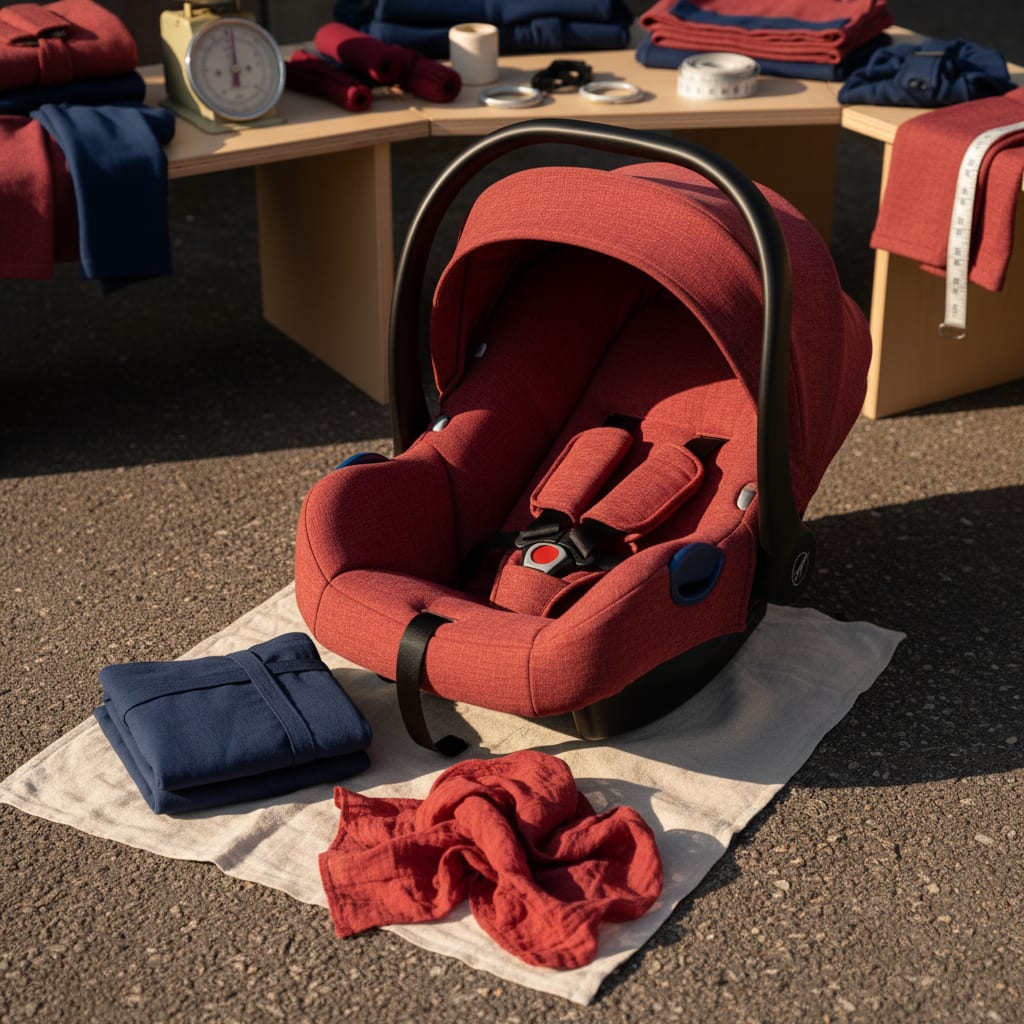
If your baby has stopped napping in the car seat, the move is not to fix the car nap but to rebuild the day around a nap you can control. Car naps run on motion, and the motion ends when the engine does. More to the point, a car seat is a restraint for travel, not a sleep surface. In the car, buckled, driving: correct and non-negotiable. Outside the car, sleep belongs on a firm, flat, empty surface — or, while you are out and upright and paying attention, in a carrier you are wearing.
Why the car nap quit working
Nothing broke. A car nap is a motion nap held together by vibration, engine noise, warmth and nothing to look at. Take away the moving car and you have a semi-reclined seat in a quiet parking lot — a completely different offer.
Two things usually change at once. Babies get better at noticing the engine stopping; the wake at the exact moment you pull the handbrake is a developmental milestone in disguise, not sabotage. And as the daytime schedule stretches, drives stop coinciding with genuine tiredness, so a nap that only worked because the timing lined up looks like it “stopped working” when the timing drifts.
A third possibility is worth naming: the nap is not failing, the day is. If the afternoon is unravelling and the car was the last thing propping it up, the pattern to read is an overtired baby, not a broken car seat.
The seat is a restraint, not a bed
This line does not soften because you are tired or because the nap was going well.
- In the car, the harness stays done up and the seat stays at its installed recline. You never unbuckle, loosen or tilt a seat in motion, and never take a baby out while the car is moving. A carrier is never worn in a moving vehicle.
- Out of the car, a sleeping baby comes out of the seat. Sitting devices — car seats, swings, bouncers, strollers — are not for routine sleep. The mechanism is geometry: in a semi-reclined bucket a young baby with limited head control can slump chin toward chest and narrow their own airway, and it goes unnoticed because the baby is quiet.
- Never leave a baby to sleep in a car seat indoors or unattended, and never set the seat down on a bed, sofa, cushion or any raised surface.
- The sleep surface does not change for a nap. Firm, flat, empty, on the back, nothing in it but a fitted sheet. That flat-and-firm line is why soft, contoured products marketed as nap spots do not qualify — Betteroo’s look at whether baby loungers are safe lands in the same place. Safe-sleep guidance comes from your pediatrician and AAP-affiliated healthychildren.org, not from a carrier blog.
That same geometry is why the usual car-seat time limits do not transfer to an upright carrier, as I unpick in how long a baby can stay in a carrier.
Rebuilding a day that ran on car naps
Decide before you leave which kind of outing this is. A nap outing and an awake outing are planned differently, and the failure mode is running both at once.
- Drive on the awake end of the window. Put the driving at the front of the wake window, not the back — you are deliberately not spending the sleep pressure on the road.
- Arrive with time in hand. The nap should start after you have parked. Ten minutes of slack turns a stressful wake-up into a routine handover.
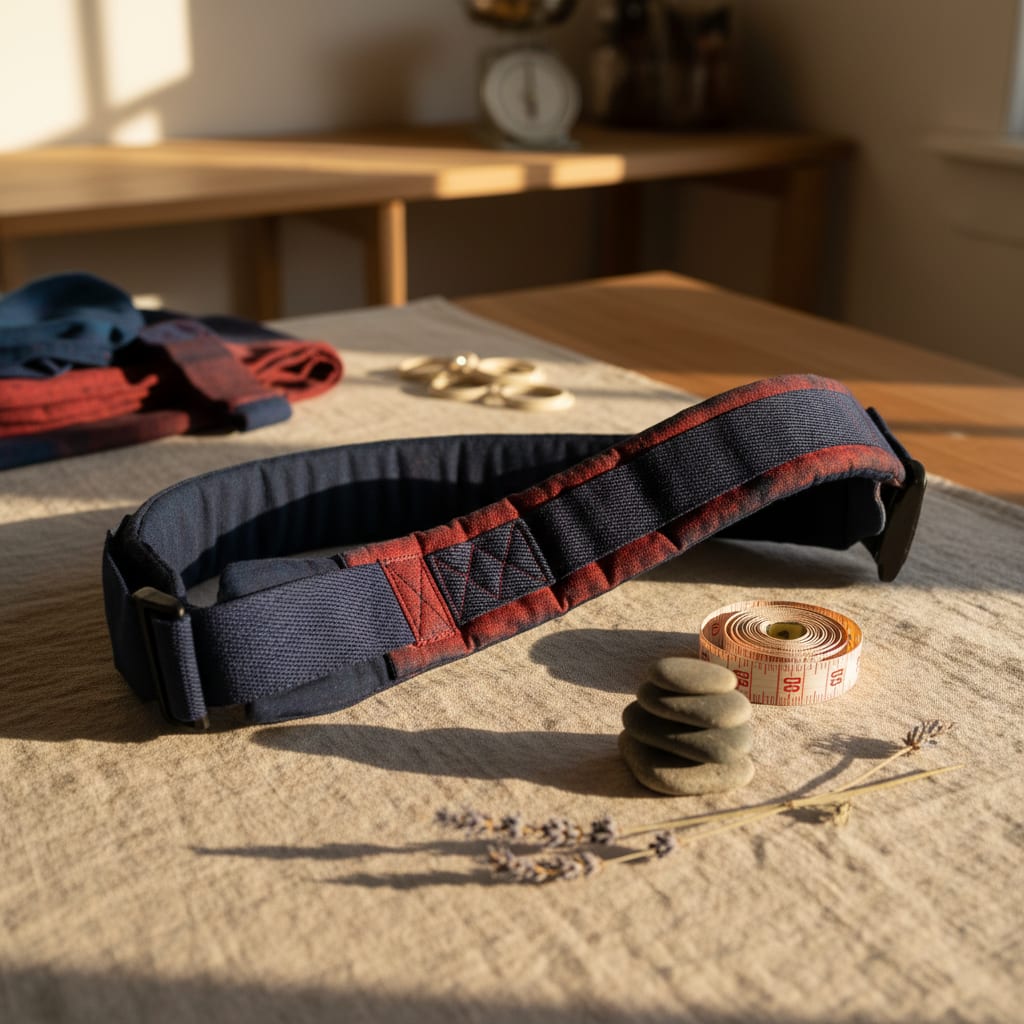
- Wear the carrier out of the house. Waistband buckled, panel hanging, or your stretchy wrap pre-tied under your coat — the handover then takes seconds instead of a roadside assembly job.
- Let the nap happen on your feet. Walking is the motion the car was supplying, and a lap of the block is closer to a car ride than a stationary parking bay is.
- Keep the same wind-down. Whatever the cue is at home — a song, a phrase, the hood up — bring it.
The park-and-transfer, step by step
Whether they woke on arrival or slept the whole way, the move is the same.
1 · engine off, doors clear2 · carrier already on you3 · chest to chest, then panel
Stand outside the vehicle with the carrier already on your body — this is a two-hands-on-the-baby job, and a carrier held in one hand is why the lift goes awkwardly. Release the harness, support the head and neck, and bring your baby chest to chest, high enough that their head is at kissing height.
Then build the seat, in order: bottom settled deep, knees drawn up above the bottom, fabric spread knee to knee, straps tightened, and only then the airway check — chin off chest with a couple of fingers’ clearance under the jaw, face turned to the side and clear of fabric and of your body. A newborn-capable buckle carrier makes this quick; an Ergobaby Omni 360 is the worked example I reach for, because its waistband can already be on before you open the car door.
Then the rule that never bends: a carrier is not a sleep surface. A worn baby is a supervised sleeper, with an adult upright, awake and attentive, re-checking the airway whenever the baby goes floppy. You never wear a baby while you lie down, recline or sleep — not in a reclined car seat of your own, not on a bench, not for five minutes. The full check routine is in babywearing safety.

What the carrier does not solve
It does not replace the car seat, it is never worn while driving, and it will not make an overtired baby sleep on command. If your baby prefers being worn for every nap, that is an ordinary situation covered in why some babies only nap in the carrier; getting them off you afterwards is the carrier-to-crib transfer.
The dry aside: your baby will sleep beautifully in the car on the one day you had nowhere to be.
When the seat itself is the problem
Sometimes the refusal is a fit complaint: harness straps twisted or too loose, a recline angle that has drifted since installation, straps threaded at the wrong height for a baby who has grown, or too much clothing under the harness on a warm day. None of that is guesswork territory — a certified child passenger safety technician will check installation and harness fit, and NHTSA’s car seat guidance explains how to find one. Persistent distress, arching, or discomfort that shows up at feeds too is a pediatrician conversation, not a positioning tweak.
FAQ: car seat naps and the carrier alternative
Why won’t my baby sleep in the car seat anymore?
Usually because the nap depended on motion and timing rather than on the seat, and babies get better at registering the car stopping. If the drives no longer coincide with genuine tiredness, the nap has nothing to run on.
Can I leave my baby sleeping in the car seat once we get home?
No. Once you are out of the car, move them to a firm, flat, empty sleep surface on their back. A semi-reclined seat lets a young baby’s chin drop toward their chest, and a car seat should never be used as a sleep space indoors or left unattended.
Is a carrier nap better than a car seat nap?
They are not the same category. A carrier nap is upright and supervised — an adult awake, attentive, on their feet — which is why it counts as a nap. A car seat is a travel restraint, required while driving, and not a sleep space once the drive ends.
How do I get a sleeping baby from the car seat into a carrier?
Park, switch off, and put the carrier on your own body before you touch the harness. Then unclip, support the head, bring them chest to chest, and build the seat — bottom deep, knees above bottom, fabric spread, straps snug, airway checked. Expect them to surface; a wake-up you handle beats a nap in the wrong position.
Should I just drive around until they fall asleep?
As an occasional rescue, fine. As a daily strategy it is fragile, and it ends with the transfer problem you started with. Building the nap around walking gets the same motion without the parking-lot standoff.