The best baby carrier for most families is a buckle carrier, also called a soft structured carrier, that adjusts from about 7 lb up to the toddler years. The Tula Explore is my worked example. But “best” depends on the job first and the brand second. A stretchy wrap fits a tiny newborn more closely. A ring sling is faster for quick ups and downs. A hip seat suits a toddler who wants up and down all day. So this page picks one carrier per type, says which question each type answers, and sends you to the full roundup for that type.
Every spec below comes from the maker’s own product page, loaded on November 19, 2026, unless I say otherwise. I did not weigh, measure or wear-test these for this page. I quote the spec sheets and leave them as written.
Pick the type before the brand
Most carrier regret is type regret, not brand regret. Someone buys a beautiful woven wrap and finds they will not tie it in a parking lot. Someone else buys a structured carrier for a 7 lb baby and finds it swamps them. Four questions sort the type:
- How old is the baby when you will use it most? Newborn months favour wraps and newborn-sized panels. The toddler years favour structured carriers and hip seats.
- How long are the carries? A 10-minute school run and a two-hour walk need different load paths. Long carries want a padded waist belt that puts the weight on your hips.
- Who else will wear it? Two very different bodies share a buckle carrier or a wrap well, and a ring sling badly.
- How patient are you with learning? Wraps and slings reward practice. Buckles work on day one.
Here is how the types compare at a glance:
| Type | Pick | Maker’s stated range | Answers the question | Skip it if |
|---|---|---|---|---|
| Buckle carrier (SSC) | Tula Explore | 7 to 45 lb, 0 to 48 months | One carrier from birth to toddler | You want something tiny to pack |
| Budget buckle carrier | Infantino Flip 4-in-1 | 8 to 32 lb | A carrier for occasional use | You plan long, heavy carries |
| Stretchy wrap | Moby Classic | 8 to 33 lb | The closest fit for a small newborn | You want back carries or run hot |
| Ring sling | Hip Baby ring sling | 8 to 35 lb | Fast ups and downs | You want long walks on one shoulder |
| Newborn buckle carrier | BabyBjörn Mini | 7 to 24 lb, 0 to 12 months | The easiest first carrier | You want it past the first year |
| Hip seat | Tushbaby | Up to 45 lb, newborn to 36 months | The up-down toddler | You need both hands free |
Best buckle carrier, and best soft structured carrier overall: Tula Explore
A buckle carrier, or soft structured carrier (SSC), is a padded panel with a waist belt, shoulder straps and buckles. It is the type most people mean when they say “baby carrier,” and it is the easiest to share between two adults.
The Tula Explore is the pick. Tula’s product page lists it as “truly newborn ready from 7 lbs, no infant insert required,” with a range of 0 to 48 months and three positions: inward, outward-facing and back carry. The seat has three widths. Tula says the narrow setting suits babies from 7 lb until about 0 to 3 months, the middle setting about 3 to 9 months, and the widest setting taller babies from about 9 months. The linen version I looked at is 52% linen and 48% cotton, machine wash cold. Tula says it fits wearers “from Petite to 4XL.”
Facing out has its own gate. Tula’s FAQ allows it when the baby is “between 14 - 25 lbs,” “has strong head and neck control,” and their face fully clears the top of the body panel. Tula also says the baby “should not sleep in this position.”
The alternative with the most positions: the Lillebaby Complete All Seasons. Lillebaby lists it for 7 to 45 lb, with six ways to wear it, including a hip carry. Its waistband extends to 52 inches, with extenders sold separately for up to 61.5 inches. Lillebaby says outward facing and hip carries need a baby “at least 6 months old” with strong, consistent head support. A zip-down panel lets air through on warm days.
Good for: buying once, sharing between two adults, longer walks, back carries later. Skip it if: you want something soft that folds into a diaper bag, or you mostly carry for five minutes at a time. The newborn carrier roundup covers how a grow-with SSC compares with softer types in the first weeks.
Best budget buckle carrier: Infantino Flip 4-in-1
If the carrier is for occasional use, such as a backup at a grandparent’s house, a second car, or a parent who carries once a week, a full-price SSC is more than you need.
The Infantino Flip 4-in-1 is the worked example. Infantino’s page lists four ways to carry: facing in with a narrow seat, facing in with a wide seat, facing out, and back carry, for children “from 8-32 lbs.” It has a waist belt and padded shoulder straps.
Read one phrase on that page closely. Infantino describes “an ergonomic seat when facing in.” It does not make that claim for facing out. So if you turn the baby around, check that the fabric still supports the thighs; if it does not, keep facing-out stretches short.
Good for: a backup carrier, short trips, a tight budget. Skip it if: you plan long carries of a heavy baby, or you want the widest seat in every position. Its 32 lb top limit is also lower than the 45 lb most full SSCs list.
Best stretchy wrap: Moby Classic
A stretchy wrap is a long piece of knit fabric you tie around yourself, then slide the baby into. Nothing fits a small, curled newborn more closely, because the fabric takes the shape of whatever is inside it.
The Moby Classic is the pick. Moby’s product page says it is “100% Cotton,” “intended for babies from 8 to 33 lbs,” and “can be used in front or hip carry positions.” The same type with a little spandex is the Boba Wrap, which Boba describes as “95% French Terry cotton blend and 5% Spandex.”
Good for: the first three or four months, contact naps, a baby who settles only when held close. Skip it if: you want back carries (Moby lists front and hip only), you live somewhere hot, or 16 feet of fabric sounds like a fight. Woven and hybrid wraps, with weight ranges and learning curves side by side, are in the baby wrap roundup.
Best baby sling: Hip Baby ring sling
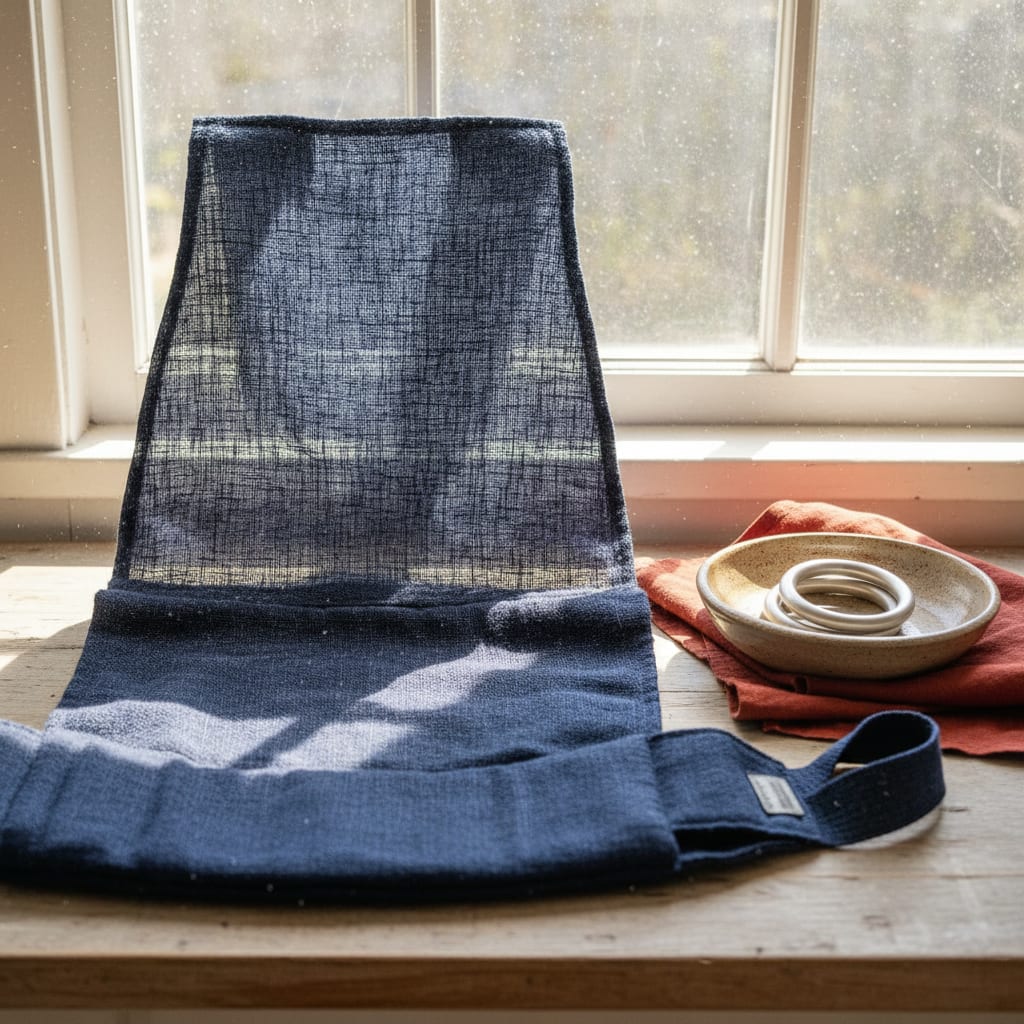
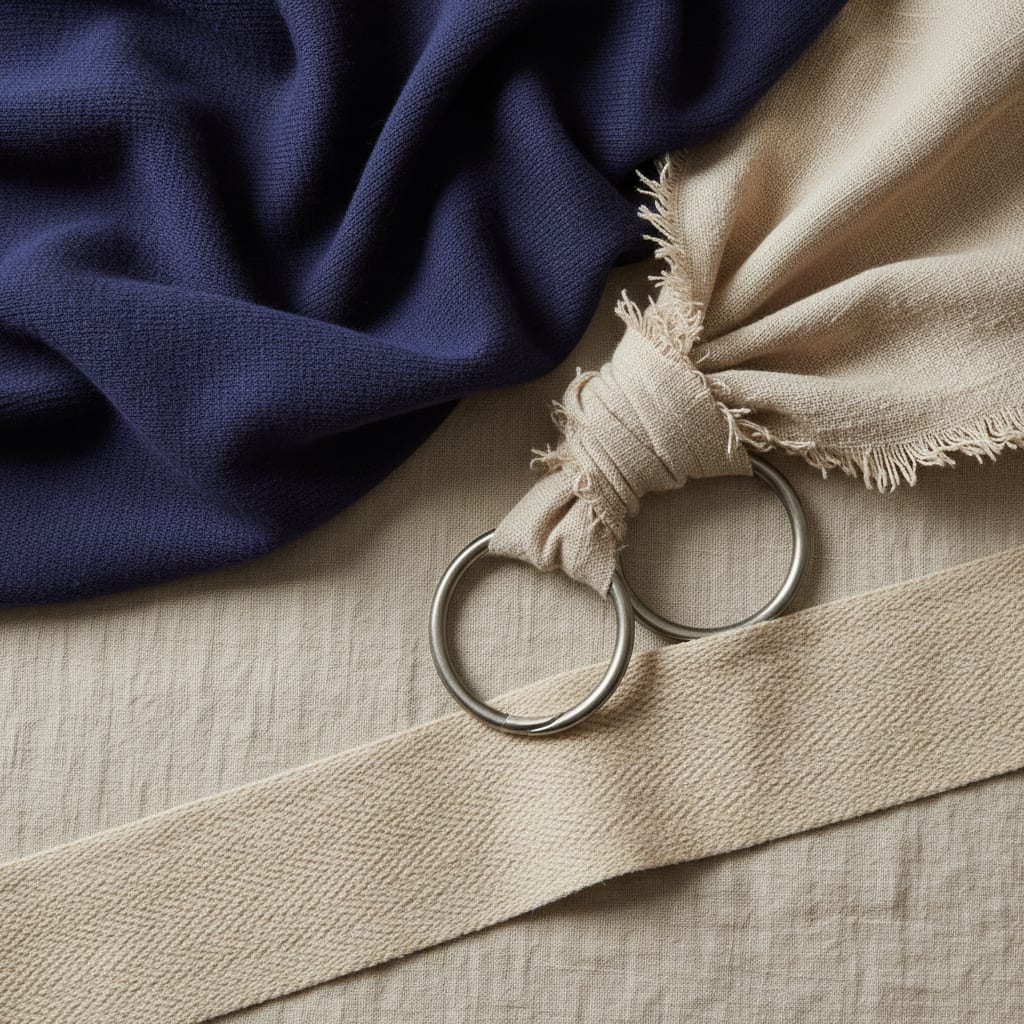
When people search for the best baby sling, they usually mean a ring sling: a length of woven fabric threaded through two rings and worn over one shoulder. It is the fastest carrier for short carries. You put it on, seat the baby and tighten, and it is done.
The Hip Baby ring sling is the pick. Hip Baby’s product page describes “100% cotton, hand-loomed, breathable fabric” with “top quality aluminum SlingRings,” “for babies 8 - 35 lbs,” used for front tummy-to-tummy and hip carries.
One sling caution applies to every brand. The AAP’s baby carrier page warns that some sling carriers “may curl your baby’s body into a C-shape, which greatly increases the risk of breathing problems.” A ring sling worn correctly holds the baby upright and high on your chest, not low in a pouch.
Good for: second babies, errands, a parent who already knows slings, the hip carry an older baby likes. Skip it if: you want long walks. All the load sits on one shoulder. Linen, silk and mesh water slings, with a “skip it if” for each, are in the ring sling roundup.
Best newborn buckle carrier: BabyBjörn Mini
A newborn buckle carrier is a small, soft panel with buckles, sized for the first year only. It is the easiest type to get right at 3 a.m., because there is nothing to tie.
The BabyBjörn Mini is the worked example. BabyBjörn’s carrier comparison chart lists it for 0 to 12 months, 7 to 24 lb and 21 to 30 inches. The same chart shows no waist belt on the Mini, which is the trade-off. All the weight sits on your shoulders, so it gets uncomfortable as the baby grows.
Good for: a first carrier for the newborn months, partners who want something simple. Skip it if: you want one carrier to last. A grow-with SSC like the Tula Explore covers the same newborn stage and keeps going.
Best hip seat carrier: Tushbaby
A hip seat is a padded belt with a shelf that your child sits on. It does not hold the child to you. Your arm still does that. It takes weight off your back and arm for a toddler who wants up and down twenty times on a walk.
The Tushbaby is the worked example. Tushbaby’s page says it “fits newborns to 36 months, and up to 45lbs (can also be used for breastfeeding support),” fits a 23 to 44 inch waist (with an extender sold separately), has four carry positions and weighs under 1 lb.
Good for: toddlers who want frequent ups and downs, short carries, a parent with a sore lower back from hip-carrying a heavy child. Skip it if: you need both hands. It is not hands-free unless you add a panel. For a child who wants long carries, a toddler-size buckle carrier does more. The toddler carrier roundup compares hip seats, toddler panels and onbuhimos by the knee-to-knee measurement.
Specialist types, briefly
Three more types have their own pages on this site. They are worth knowing about before you buy, but none is the best first carrier for most people:
- Forward facing carriers. If seeing the world facing out is a priority, check the facing-out weight and head-control rules before the brand. They differ by maker. My front-facing roundup goes through the models that do it with a full seat.
- Hiking carriers. A framed hiking backpack is a separate category, with its own minimum ages. The hiking carrier roundup compares framed packs with soft carriers on the trail.
- Woven wraps, mei tais and onbuhimos. These are wonderful and flexible, and they reward practice. They are rarely anyone’s first carrier.
The fit check, whichever carrier you buy
Every carrier type passes or fails the same test. Ireland’s HSE sums it up as TICKS: tight, in view at all times, close enough to kiss, keep chin off chest, supported back. Run it after every adjustment:
- High and tight. The HSE says to keep your baby “high up and in an upright position with their head supported.” By tipping your head forward, you should be able to kiss the top of their head.
- Face visible. Nothing covers the nose or mouth.
- Chin off chest, with “a space of at least a finger width” under the chin, in the HSE’s words.
- Knees above bottom, with the fabric supporting the thighs from knee to knee.
- Back supported, with the tummy and chest against you.
Two more rules come from the AAP. Infants “born prematurely or with respiratory problems should not be placed in backpacks or other upright positioning devices,” so ask your pediatrician first if either applies. A carrier is also not a place to sleep long-term. The AAP’s safe sleep guide says a baby who falls asleep in a carrier or sling should be moved “to a firm sleep surface on their back as soon as possible.”
 The carrier fixes the walk. The quiz fixes the nap.
If your baby only sleeps while worn, a plan for their age helps. Betteroo turns a short quiz into wake windows and a daily schedule.
Take the sleep quiz →
If you can only buy one
- One carrier, birth to toddler, two wearers: a grow-with buckle carrier like the Tula Explore or the Lillebaby Complete.
- Mostly newborn contact naps at home: a stretchy wrap.
- A second baby and a busy older sibling: a ring sling.
- A toddler who walks half the way: a hip seat.
- An occasional backup: a budget buckle carrier.
The dry aside: the best carrier you own is the one you can put on correctly while someone is crying. That is rarely the one with the most features.
FAQ: choosing the best baby carrier
What is the best type of baby carrier?
For most families, a buckle carrier (soft structured carrier) that adjusts from about 7 lb into the toddler years, because it covers the longest stretch and two adults can share it. A stretchy wrap fits a small newborn more closely, and a ring sling is quicker for short carries.
What is the best baby sling?
A ring sling in woven fabric, such as cotton or linen, worn high and tight so the baby is upright against your chest. Avoid any sling that holds a baby curled low in a pouch, which the AAP warns can cause breathing problems.
What is the best soft structured carrier?
One that fits your newborn without an insert, has a padded waist belt, and adjusts its seat width as the baby grows. The Tula Explore and the Lillebaby Complete All Seasons both list 7 to 45 lb on their makers’ pages.
Do I need more than one baby carrier?
Usually not at first. Many families end up with two: a buckle carrier for long walks and a wrap or sling for quick carries. Buy the first one, use it for a few weeks, then decide what is missing.
What weight should a baby carrier start at?
Most carriers here start at 7 or 8 lb, by the maker’s own rating. That is a design floor, not a readiness verdict. Your baby still has to pass the fit check in the carrier.
More from the Types & Brands shelf.