Is a Toddler Carrier Worth It? When They Earn Their Keep
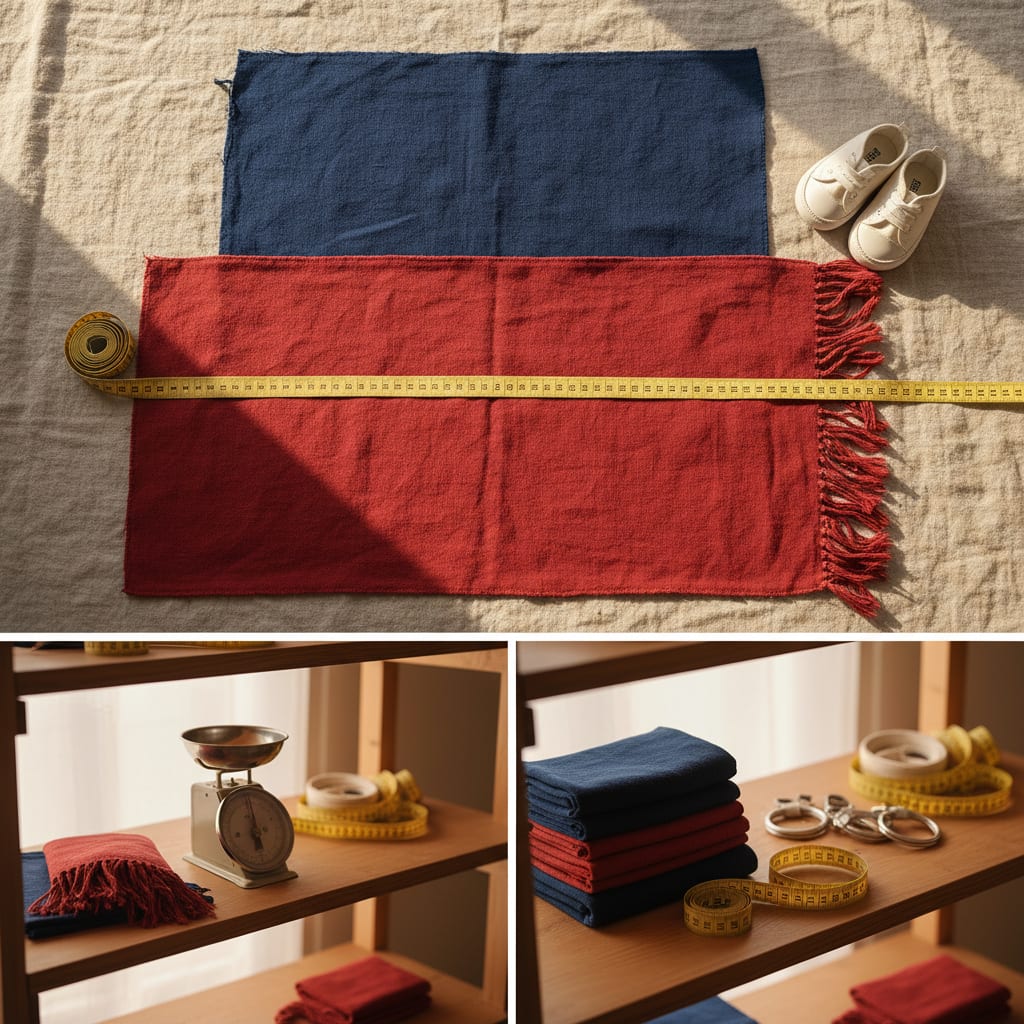
A toddler carrier earns its keep in three situations: distance walking, transport days, and the moment a tired toddler stops moving in a place you cannot stay. If your life reliably contains at least one of those, it is the best money in the babywearing category. If it does not, it is an expensive shelf ornament, and your existing carrier will see you out. The trigger to upgrade is not your child’s birthday and usually not their weight — it is two measurements on the panel, and you can take them in about a minute.
What actually makes a carrier a “toddler” carrier
The name is a size class, not a different mechanism. Toddler-size carriers are the same soft structured design with everything scaled up:
Baby size · roughly 7–45 lbToddler size · roughly 25–60 lbPanel · taller and wider
The weight rating is the headline, but the panel is the reason. A toddler panel is taller, so it still reaches the shoulder blades on a longer torso, and wider, so it still spans knee to knee on longer thighs. The waistband and shoulder padding are usually beefed up too, because 35 lb behaves very differently from 18 lb over the same shoulder. The Baby Tula Toddler Carrier is a canonical worked example of the class, rated roughly 25 to 60 lb.
The two measurements that tell you it is time
Forget the number on the scale. Put your child in the carrier you own and check:
Knee to knee. The panel should reach roughly from the back of one knee to the back of the other, so the thighs are supported and the hips sit in the spread-squat position the International Hip Dysplasia Institute describes as hip-healthy. If the fabric now stops mid-thigh and the lower legs dangle from the crotch, the panel has been outgrown in width. The full explanation of why that matters is in hip-healthy babywearing.
Panel height. The top edge should land somewhere around the shoulder blades — high enough to keep the back supported, low enough that nothing crowds the face. When it sits at the middle of the back and your toddler folds over the top edge like a beanbag, height has been outgrown.
Hit either limit and a carrier upgrade is a real answer. Hit neither and you do not need one, whatever the weight chart says. Plenty of the standard baby-size carriers run to roughly 45 lb, and a carrier such as the Ergobaby Omni 360 will carry many children well past their second birthday before either measurement runs out.
The three jobs it does well
Distance walking. Trails, cities, museums, anywhere with more ground than a two-year-old has stamina for. A toddler who walks the first mile and rides the second covers three times the distance of a toddler who walks until they are done.
Transport days. Airports, train platforms, buses, stairs, escalators, crowds — every environment where a stroller is a liability rather than an asset. Hands free and a child at your eye level solves most of it, and a soft carrier goes through airport security on your body in a way a stroller does not.
The rescue. The unglamorous one, and the reason most toddler carriers get bought. A tired toddler who has stopped walking in a car park is a genuine problem, and a carrier folded in the bottom of a bag is the answer that does not involve carrying 30 lb on one hip for half a mile.
Back carrying is where a toddler carrier spends most of its life, because a toddler on your front blocks your view of your own feet. If you have not done back carries before, learn them properly before you need them — the readiness criteria and the low-over-a-bed method are in the back carry guide.
What it will not fix
A toddler carrier is a transport tool. It does not resolve why your toddler wants to be carried, and it is worth being clear about that before you spend the money. Wanting up is developmentally ordinary — it spikes around new siblings, new childcare, illness, and the stretches where separation anxiety turns up at sleep times as well as in the day. Carrying through those weeks is a reasonable response, not a habit you are building.
The behaviour side of it — the refusals, the meltdowns, the public ones — is not our lane. Best Toddler Tips covers that properly, including what to do with a tantrum in public.
The lighter alternative nobody mentions
If your only use case is the rescue, a full toddler carrier may be more carrier than you need. An onbuhimo has no waistband at all — two shoulder straps, a panel, and rings or buckles at the base — which makes it pack down small and sit comfortably over a coat or a pregnant bump. It requires a child who sits independently, and it puts everything on your shoulders, so it is a short-carry tool. The trade-offs are laid out in the mei tai and onbuhimo guide.
Buy, borrow, or skip
Try before you spend. Toddler carriers are the size class most likely to be bought, used four times, and resold, which is exactly why the secondhand market for them is good and why a rental or a babywearing library is the sensible first move — see try before you buy. Wear a real toddler in it, ideally yours, for longer than the two minutes a shop floor allows.
And if you already own two carriers, ask honestly whether this is a third that will be used, or a third that will live in a cupboard. The arithmetic does not change just because the panel got bigger.
The dry aside: the toddler carrier you buy in June will be used exclusively for the six days of your October holiday, and it will still be worth it.
FAQ: toddler carriers
At what age do you need a toddler carrier?
There is no age. The trigger is fit: the panel no longer spans knee to knee, or no longer reaches the shoulder blades. Many children hit that somewhere in the second year, some not until the third, and some never do, because their parents stop carrying before the carrier runs out.
Is a toddler carrier worth it if we already have a baby carrier?
Only if your baby carrier has actually been outgrown on one of those two measurements, or if you regularly carry beyond its weight rating. If it still fits and still feels supportive, adding a toddler carrier buys you nothing but a second thing to store.
How long can a toddler stay in a carrier?
Longer than a newborn in most respects — an older child can reposition, tell you they are uncomfortable, and hold their own head up — but your body becomes the limit instead. Break up long carries, alternate front and back where the carrier allows it, and take them out for anything that needs both of your hands.
Can you back carry a toddler in a regular baby carrier?
If the carrier is rated for back carrying and still fits on the two measurements, yes. Check the manufacturer’s rating rather than assuming; not every soft structured carrier is approved for back use, and the strap geometry that makes it work is not something to improvise.
Do toddler carriers work for hiking?
They work well for the kind of hiking most families do, and they pack down to nothing compared with a framed hiking pack. A framed carrier wins on long-day comfort, ventilation and gear storage; a soft toddler carrier wins on weight, price, and being in the bag on the day you did not plan to hike.