Betteroo for Contact Nappers: From Carrier Naps to Solo
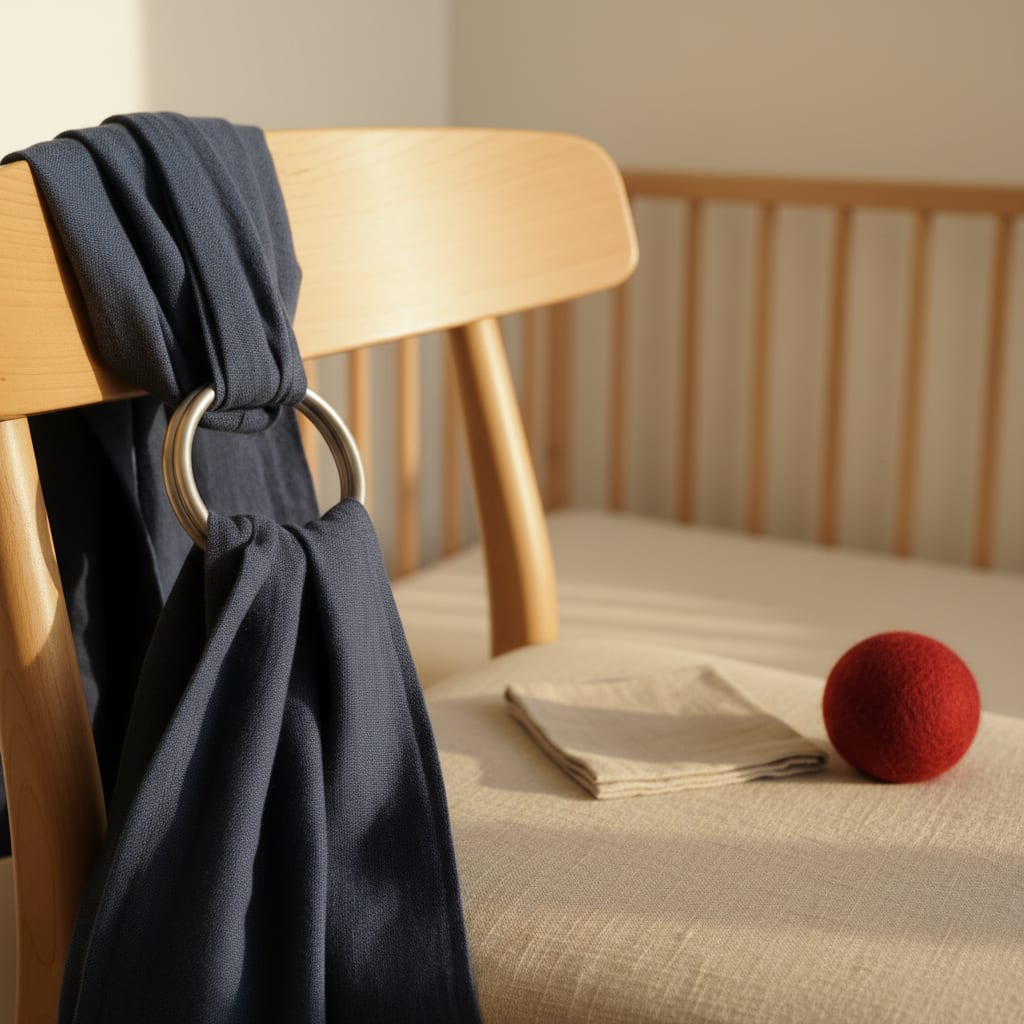
Betteroo is a strong fit for a baby who only naps in the carrier, because it works on the part the carrier cannot fix: timing. Betteroo is a personalized baby and toddler sleep-coaching app. A free 3-minute quiz about your baby and your comfort level produces a sleep plan built around your baby’s age, temperament and feeding patterns, and the plan adapts as your baby grows. It is gentle by default, with no cry-it-out required, and it covers newborns through six years old. For contact nappers the goal is not to retire the carrier. The goal is some naps your baby takes on their own, so the carrier becomes a choice again rather than the only option.
Below are two parents who lived the contact-nap version of this, in their own words, from the parent reviews Betteroo publishes, read on September 27, 2026. Betteroo anonymizes parents’ names for privacy; the quotes, sleep changes and family details are exactly as the parents gave them.
Thea: six months of carrier naps, then her afternoons back
Thea’s review reads like a letter from this site’s inbox. Her daughter was 6 months old, and the before line on her review is blunt: “Six months of contact naps, every one in the carrier.”
“Our daughter had been a contact napper basically from the beginning. For months every daytime nap meant wearing her in the carrier. But since using your app, almost on day 1, we learned we weren’t stretching wake windows long enough and she began actually napping independently. I can work, shower, eat, get things done around the house, or even just sit down for a little while knowing she’s peacefully sleeping. After six months of contact naps, having even a little bit of that time and freedom back feels incredible and I feel like I’ve regained my sanity back.”
Her after line, timed “Within days”: “Napping on her own, and the day back.”
She is in good company: more than 80,000 parents have started with Betteroo (80,127 on the reviews page when we checked on September 27, 2026).

The sentence worth underlining is the one about wake windows. Thea’s daughter was not a baby who could only ever sleep on a parent. She was a baby being offered naps before she was tired enough to take one without help. The carrier bridged that gap every time, because a snug carry does a lot of the settling work for you, and so the carrier nap looked like the problem when the timing was. Change the timing and the crib gets a baby who is ready to sleep in it. If you are still deciding whether your own carrier naps even need changing, the carrier-naps guide walks through when to change nothing at all.
Why carrier naps are the hardest ones to trade
Every babywearer knows why the carrier wins. It is warm, upright and snug, it moves with you, and it smells like you. A tired baby gets all of that at once, without asking for any of it. A flat, still crib offers none of it, so the first solo nap is always a step down in comfort.
That is exactly why guessing does not work here. When a baby who is used to the carrier refuses the crib, you cannot tell from the crying whether they were undertired, overtired or simply missing the ride. Most parents answer that question by putting the carrier back on, which works every time and teaches you nothing. I went through the evidence on whether any of this does lasting harm in the post on carrier naps and sleep habits: no path from contact napping to later sleep problems has been shown, and carrier naps are real naps. What they cost is your hands, your back and your day.
What a personalized plan adds is the answer to the timing question, worked out for your baby’s age and temperament rather than a chart for an average baby. That is what Thea’s family found almost on day 1, and it is why her change came in days rather than weeks.
Nina: from “a pacifier all night” to five-hour stretches
Contact sleep does not always stop at the daytime. For many carrier families the pattern runs round the clock: worn for naps, fed to sleep at night, and back on the breast at every waking. Nina’s review is that story. Her daughter was 11 months old, co-sleeping and night feeding, and her before line reads “Hourly wakes, fed all night long.”
“My baby never slept without breastfeeding, she used me as a pacifier all night and woke almost hourly. I honestly hadn’t had a decent sleep since she was born. Within days she slept almost 5 hours straight and I felt so much more energetic than I thought I would. She still wakes sometimes but resettles in 10 minutes now. I’m finally feeling more confident. Thank you.”
Her after line, from after a few days: “5+ hour stretches, resettles in minutes.”
Two things stand out. The first is speed: “Within days” opens Nina’s third sentence, and the same two words sit on Thea’s review. The second is how honest it is. Nina does not claim a baby who never wakes. She describes a baby who still wakes and now “resettles in 10 minutes,” and a mother who is “finally feeling more confident.” That is the realistic shape of progress for a baby who has only ever fallen asleep attached to a parent: fewer wakings, shorter ones, and a parent who has stopped dreading the night.
Keeping the carrier while the solo naps start
You do not have to pick a side. The families on this site who do this well treat it as adding a skill rather than removing a habit.
Start with one nap. Pick the nap that is easiest to win, usually the first of the day, when sleep pressure is cleanest, and leave the rest in the carrier. You get one crib nap working before you touch the others.
Keep the carrier for the naps it is best at. Outings, a sibling’s school run, a day when everything has gone sideways: the carrier nap is still the right tool for those.
Use the transfer when the carrier nap is the plan. When a nap starts on you and you want it to finish in the crib, the technique is its own skill. The carrier-to-crib transfer sets it out step by step: loosen in stages, bottom first, head last, and a hand on the chest for thirty seconds.
Let the timing do the heavy lifting. When wake windows are right, the crib stops being a fight. That is the lesson both reviews share, and it is the part a plan takes off your plate.
What happens after the quiz
- The quiz is free and takes about three minutes. It asks about your baby and your family, and the answers tailor the plan from day one.
- You get a personalized plan. “Not a generic PDF.” It is built around your baby’s age, temperament and feeding patterns and your parenting style, and on your comfort level as a parent.
- Clear next steps in plain language, built for 2 AM. “No overwhelming dashboards, no rigid perfection standards.” You can read it one-handed with a baby asleep on your chest.
- Ask questions whenever you get stuck. You get “real, science-aligned answers,” and several parents on the reviews page mention the in-app assistant, Joey, by name.
- The plan adapts as your baby grows, through regressions, teething, travel and nap transitions, “so you’re never starting over.” For a contact napper, that means the plan keeps up as naps drop from four to three to two.
What trying it costs you
- The quiz is free, and it takes about three minutes.
- Cancel anytime. “No contract, no commitment length, no friction.”
- Every plan comes with a 30-day money-back guarantee. “If it does not change things for your family in the first month, you get your money back.”
Who it suits best
It suits you best if every nap currently happens on your body, you love babywearing but want it to be a choice, and you would rather follow a plan than run experiments on a tired baby. It also suits a family whose contact sleep runs through the night as well as the day, as Nina’s did. Look at what Thea and Nina have in common: both describe change within days, and both describe getting something back for themselves. Thea got her day. Nina got her energy and her confidence.
One ground rule sits under all of it: if your baby falls asleep in the carrier, move them to a firm, flat sleep surface on their back as soon as you can, and take anything medical to your pediatrician first.
FAQ: Betteroo for contact nappers
Will I have to stop babywearing?
No. The aim is some naps your baby takes on their own, not an end to the carrier. Most families keep carrier naps for outings and busy days and move one nap at a time into the crib.
Does Betteroo use cry-it-out?
No. Betteroo is gentle by default: “No cry-it-out required.” Plans lean on responsive soothing and gradual transitions, shaped around your comfort level.
How fast do parents see a change?
Both parents here describe change within days. Thea’s daughter began napping independently almost from day 1 once the wake windows were stretched, and Nina’s daughter slept almost five hours straight within days.
What ages does it cover?
Newborn through six years old. The plan is rebuilt for each stage, so it keeps working as your baby drops naps.
Are the reviews real?
Betteroo says its reviews come from in-app feedback, support conversations, interviews and written testimonials, that it does not pay for reviews or script testimonials, and that names are anonymized while the details stay exactly as parents described them.