Babywearing After a C-Section: When and Which Carrier

You can usually hold and carry your baby once you are home after a c-section, but when to start using a carrier is a question for your midwife, obstetrician or surgical team, not a number from a blog. When you do start, choose a carry that keeps pressure off the scar: a wrap tied high, a ring sling, or a buckle carrier with its waistband worn above the incision. Let someone else load your baby at first, keep carries short, and stop at once if the wound or your pain changes.
This page covers carrier technique only. The recovery itself, and what is normal for you, belongs to the team that did the surgery.
What the recovery advice says about carrying
The NHS recovery page is clear on two points. First: “You should be able to hold and carry your baby once you get home.” Second: you may not be able to do some things straight away, including “carrying anything heavier than your baby”, and to start those again only when you feel able and they do not hurt, which “may not be for 6 weeks or so.”
ACOG’s cesarean birth FAQ says to “take special care of yourself and limit your activities” at home, to ask for help from family and friends, and to “allow time to heal before doing any strenuous activity.”
So the baby is allowed; the extra load is not. A carrier holds the same baby you are already holding in arms. What it adds is a waistband or a knot, and those can sit exactly where you were stitched.
Where the scar sits, and why that matters
The NHS says the scar is usually “a horizontal scar about 10 to 20cm long, just below your bikini line,” and in rare cases a vertical one below the belly button. That puts it right where a buckle carrier’s waistband, or the knot of a wrap tied at the front, often lands.
The rule for every carrier type is the same: nothing tight across the incision, and nothing that rubs it as you walk.
Carrier by carrier
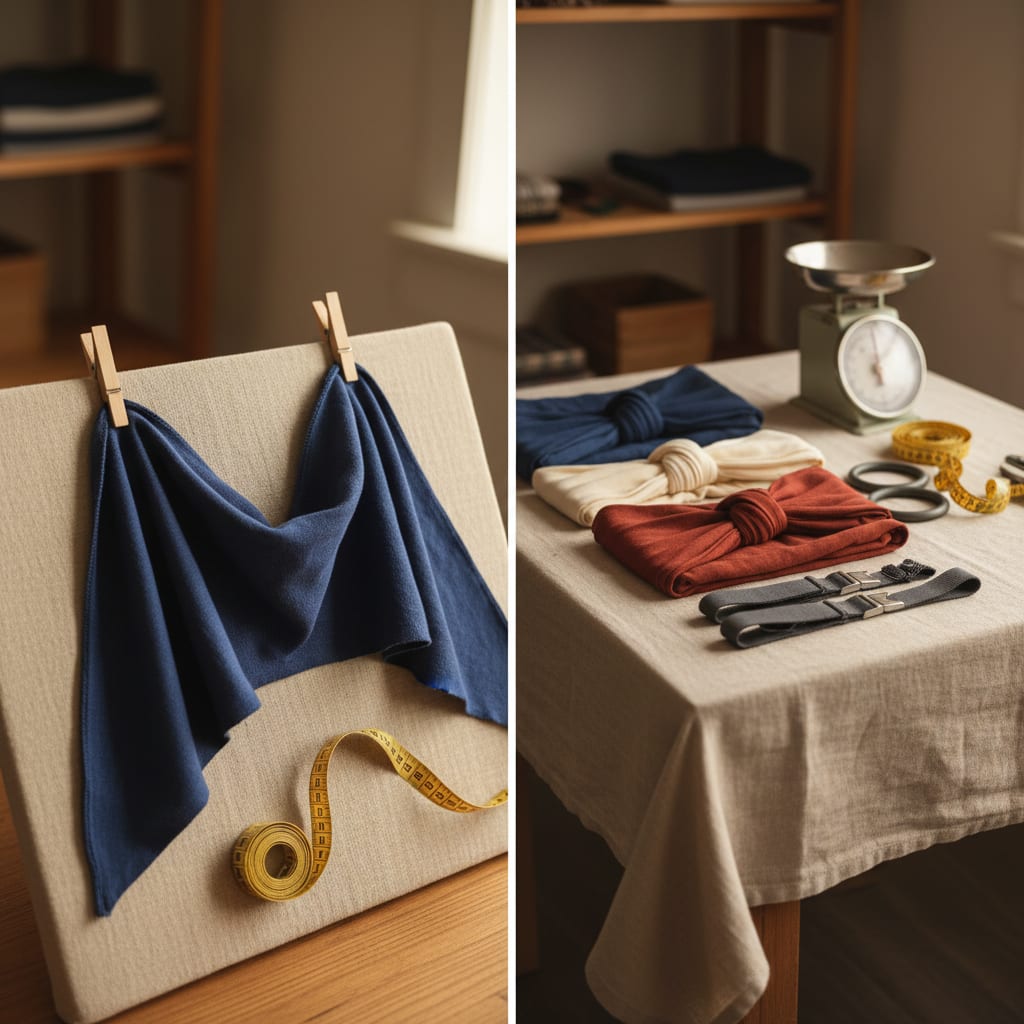
Stretchy or woven wrap. A wrap can be tied with no pressure on the scar if you tie the knot high at your waist or behind your back rather than low at the front. A stretchy wrap such as the Moby Classic spreads the load across both shoulders and your back. The downside is length: lots of fabric to manage while you are sore, so practise tying it before the birth if you can.
Ring sling. No waistband at all. The fabric runs from one shoulder down to the opposite hip, so check that the bottom of the sling does not cut across your scar, and keep the baby high. The steps are in how to use a ring sling. The trade is that one shoulder carries everything, so keep carries short.
Buckle carrier (soft structured). Wear the waistband high, at your natural waist or above, so its lower edge clears the incision. If the waistband presses on the scar wherever you put it, leave the buckle carrier for later.
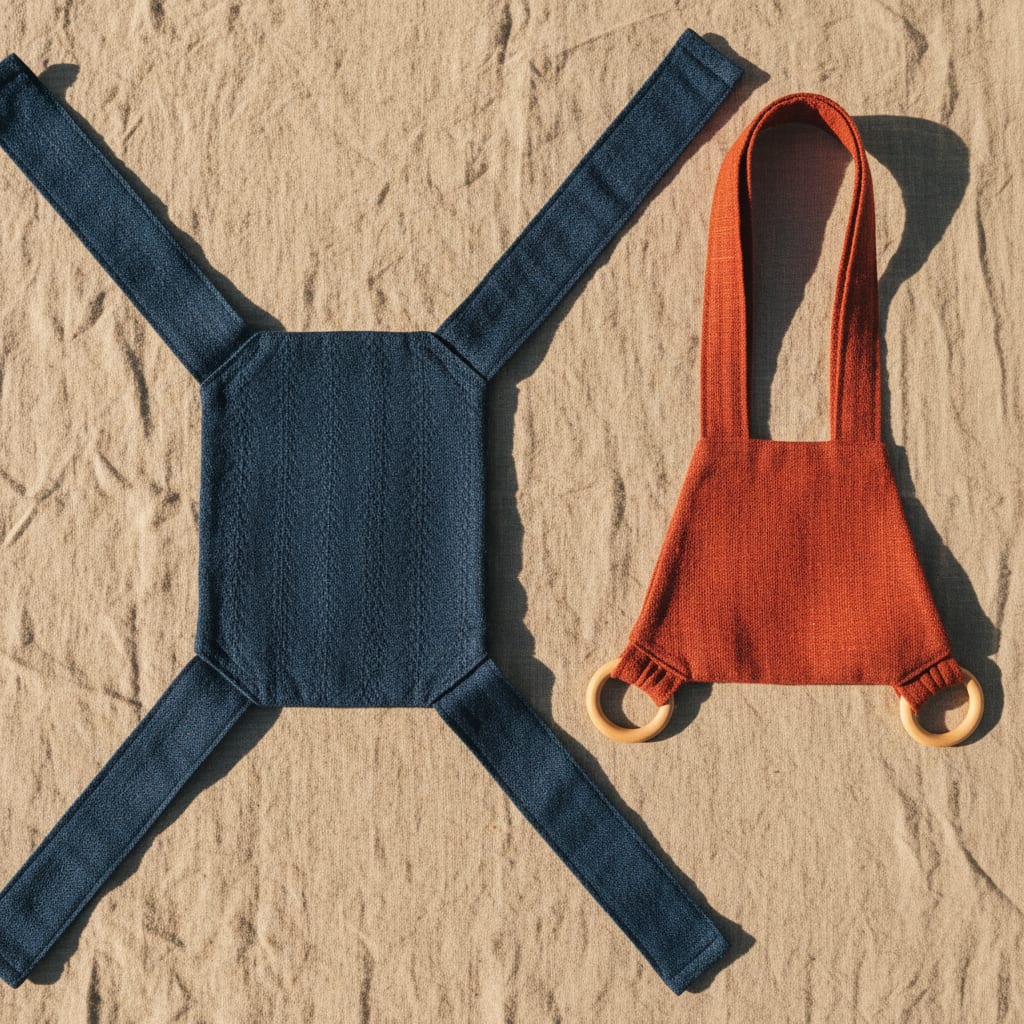
Mei tai. The waist straps can be tied high, like a wrap. The onbuhimo, which has no waistband at all, is a back carrier for babies who sit unassisted, so it is not a newborn option. It is worth knowing about later, or for carrying an older sibling. The mei tai and onbuhimo guide explains both.
Loading, lifting and how long
- Let someone else load your baby for the first carries, and sit down while they do it.
- Lift from a sitting position. Bend at the knees, not the waist, which the AAP’s carrier tips recommend for every wearer.
- Keep carries short at first. The NHS encourages gentle activity, “such as going for a daily walk,” while you recover. A short walk with a well-fitted carrier counts. A long day of carrying does not.
- Share the carrying. A partner can wear the baby for longer stretches; sharing one carrier between two adults covers the handover.
Your baby’s safety rules do not change because you had surgery. TICKS still applies: tight, in view, close enough to kiss, chin off the chest, back supported (HSE). The HSE also notes that babies under 4 months, babies born prematurely or with low birth weight, and unwell babies have a higher risk in carriers, so check the manufacturer’s guidance and ask your pediatrician if that applies to your baby.
Your back after surgery
ACOG notes that during a cesarean the abdominal muscles are separated to reach the uterus, and says it takes a few weeks for the abdomen to heal. Whatever your core is doing, a baby who hangs low or loose pulls you forward, and your back takes up the slack. Keep your baby high and snug, close to your center. Babywearing back pain explains why a high, close baby is so much lighter on your back.

Stop and get advice
Take your baby out of the carrier and contact your midwife or doctor straight away if you notice any of the NHS warning signs after a caesarean:
- severe pain
- your wound becoming more red, painful or swollen
- discharge of pus or foul-smelling fluid from the wound
- heavy vaginal bleeding
- a cough or shortness of breath
- swelling or pain in your lower leg
- leaking urine, or pain when peeing
Any new pain at the scar while carrying is also a reason to stop and let the wound rest, even if it is not on that list.
For the experience of the first days at home, talesofanewmom’s c-section recovery first week covers what the carrier question sits inside.
FAQ: babywearing after a c-section
How soon can I wear my baby after a c-section?
There is no single answer. The NHS says you should be able to hold and carry your baby once you are home, but your surgical team or midwife should tell you when a carrier is right for you. Many people start with short carries, loaded by someone else, once walking is comfortable.
Which baby carrier is best after a c-section?
One that keeps pressure off the incision: a wrap tied high or behind, a ring sling, or a buckle carrier with its waistband worn above the scar. Avoid anything that presses or rubs where you were stitched.
Can a carrier waistband hurt my c-section scar?
A waistband sitting across a healing incision can press and rub it. Wear it higher, choose a carrier without one, or wait until your team says your wound has healed.